

Hardness Shore A vs. Shore D
Posted by Vincent Rocher on Jul 6th 2021
Shore durometers are used to determine the hardness of a material, for example polmers or rubbers. The two most common scales, using slightly different measurement systems, are the ASTM D2240 type A and type D scales.
Durometer measures the depth of an indentation in the material created by a given force on a standardized presser foot. The difference between Shore A and Shore D is the type of indenter used (see image below).

Figure 1: Comparison between Shore A and Shore D durometer indenters. Taken from Wikipedia "Shore durometer" page.
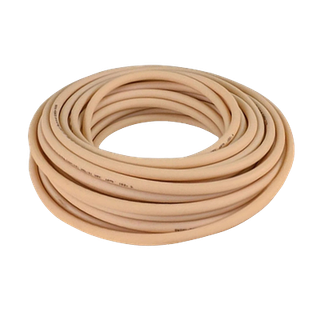
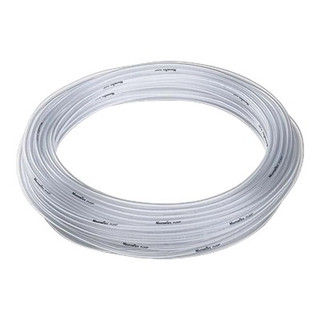
It is common to use either Shore A or Shore D scales to measure the hardness of a tubing in microfluidics. While Shore A is mostly used for soft-walled materials (silicone, Tygon), Shore D is preferred for harder materials (polymers like PTFE, PEEK, etc.).
Use the following table to convert your Shore A or Shore D value in one or the other scale:
| Shore A | Shore D |
| 100 | 58 |
| 95 | 46 |
| 90 | 39 |
| 85 | 33 |
| 80 | 29 |
| 75 | 25 |
| 70 | 22 |
| 65 | 19 |
| 60 | 16 |
| 55 | 14 |
| 50 | 12 |
| 45 | 10 |
| 40 | 8 |
| 35 | 7 |
| 30 | 6 |
